The Maue Kay Foundation is a nonprofit 501(c) (3) charitable foundation formed in 2004 by John Kay and Jutta Maue Kay which supports individuals and organizations engaged in the protection of WILDLIFE, THE ENVIRONMENT and HUMAN RIGHTS
Foundation Statement
In recent years, whether at home in North America or through travels in other parts of the world, we’ve increasingly come in contact with people whose efforts to protect Wildlife, the Natural Environment and Human Rights are an inspiration to us. Providing financial assistance for their various projects is the primary mission of the Maue Kay Foundation. However we also hope to enlist additional support for their exemplary work, through the information, images and video clips, featured on our various projects.
Born To Be wild
John Kay has created & narrated a 65-minute HD film of the presentation which can be purchased from this site for $15. Just think, no time lost driving to a Theater, no parking fees, no high-ticket prices, just fifteen dollars for viewing – by yourself, or with family and friends – an engaging story from the comfort of your place of choice. But wait, there’s more. Your 15 Dollars – or more if you so choose – will help MKF to continue supporting the Wildlife Defenders who, now more than ever, need every Dollar for their crucial and demanding work. To learn more about the film’s content & stories please view the FILM TRAILER
Notes from the Director
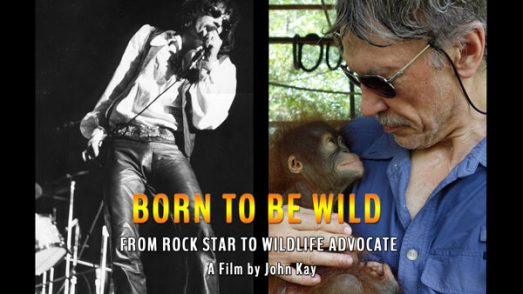
BORN TO BE WILD: From Rock Star to Wildlife Advocate
19 MARCH 2021
As mentioned in previous ‘Notes’, John Kay’s ‘BORN TO BE WILD’ in-person presentations – intended as fundraisers for MKF – were canceled due to Covid. Consequently, JK has created & narrated a 65-minute HD film of the presentation which can be purcha…
It’s been way too long since our last ‘Notes’ posting but we can thank the virus epidemic for much of the delay. JK’s ‘Born to be Wild’ presentation dates – see our previous ‘Notes’ post – were postponed until further notice while some private matter…
On October 14, 2018 John Kay & Steppenwolf gave their last performance. It had been 50 years since the band’s first album was released and JK felt that now was a good time for The Wolf to retire.
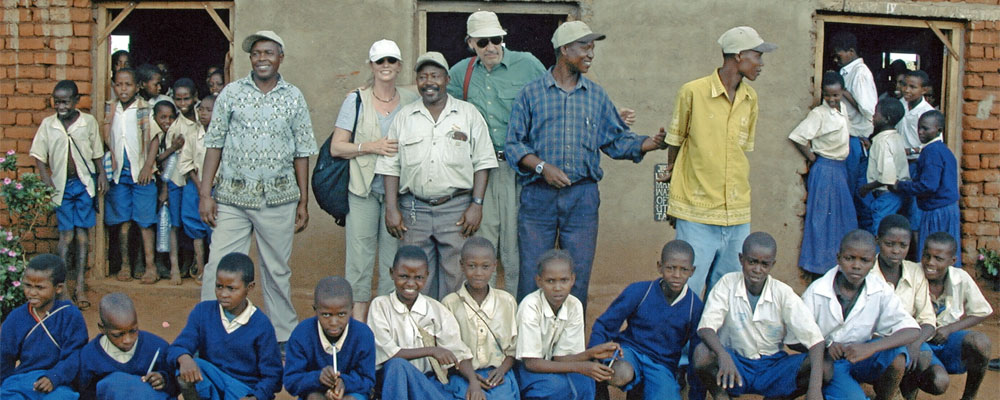
The African People & Wildlife (APW) builds the capacity of rural Africans to engage in environmental conservation and sustainable livelihood strategies that promote the dual objectives of biodiversity conservation and poverty alleviation
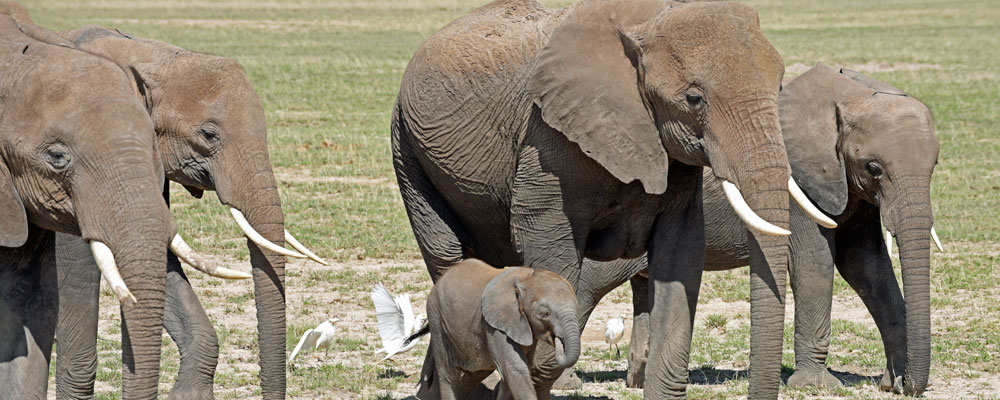
The Amboseli Trust for Elephants aims to ensure the long-term conservation and welfare of Africa’s elephants in the context of human needs and pressures through scientific research, training, community outreach, public awareness and advocacy
Using innovative conservation strategies and collaborating closely with local communities, partner NGOs, national parks and government agencies, Big Life Foundation seeks to protect and sustain East Africa’s wild lands and wildlife, including one of …
The Lewa Wildlife Conservancy is an award-winning catalyst and model for community conservation, a UNESCO World Heritage Site and features on the International Union for the Conservation of Nature’s Green List of successful protected areas
only civil rights organization in the United States working through litigation, legislation, and education to secure legally recognized fundamental rights for nonhuman animals.
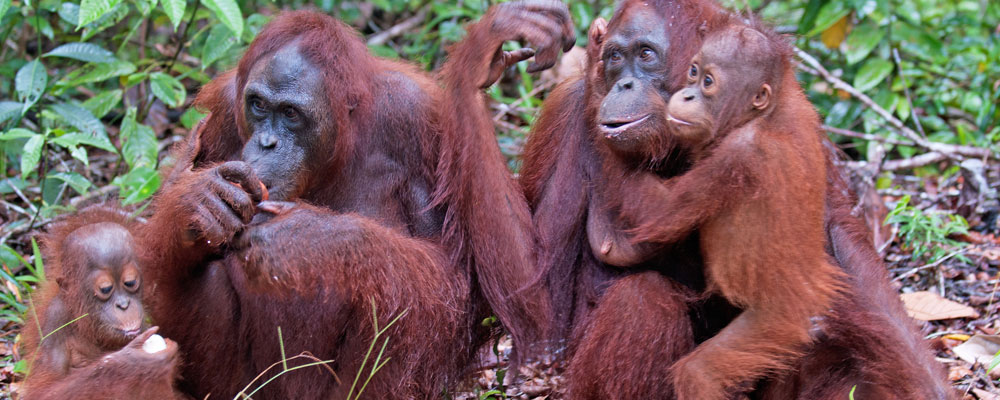
The mission of the Orangutan Foundation International is to support the conservation, protection, and understanding of orangutans and their rain forest habitat while caring for ex-captive orangutan orphans as they make their way back to the forest
Greenpeace is the leading independent campaigning organization that uses peaceful protest and creative communication to expose global environmental problems and to promote solutions that are essential to a green and peaceful future
The mission of the Saola Foundation is to help save Saola in the wild, and to conserve other threatened wildlife in the forests of the Annamite Mountains.
RDC is the nation’s most effective environmental action group, combining the grassroots power of more than 2 million members and online activists with the courtroom clout and expertise of nearly 500 lawyers, scientists and other professionals
Our mission: to secure a future for elephants and to sustain the beauty and ecological integrity of the places they live; to promote man’s delight in their intelligence and the diversity of their world, and to develop a tolerant relationship between …
The Nature Conservancy is the leading conservation organization working around the world to protect ecologically important lands and waters for nature and people
The Elephant Sanctuary in Tennessee, founded in 1995, is the nation’s largest natural habitat refuge developed specifically for endangered African and Asian elephants
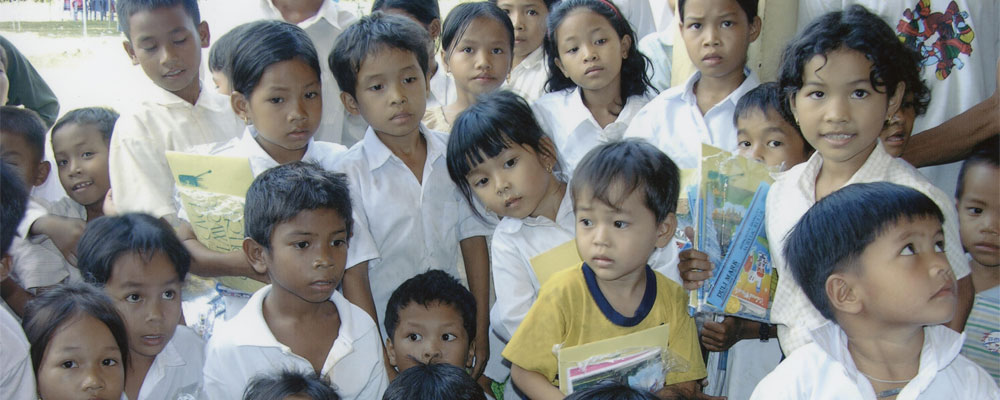
Build a rural school or adopt an existing school and enhance it with computer training, English lessons, vegetable gardens and more! Give children of the rural poor areas of Cambodia opportunities for a better education and brighter life